The Anticipated Drop in Gas Prices: What Consumers Should Know
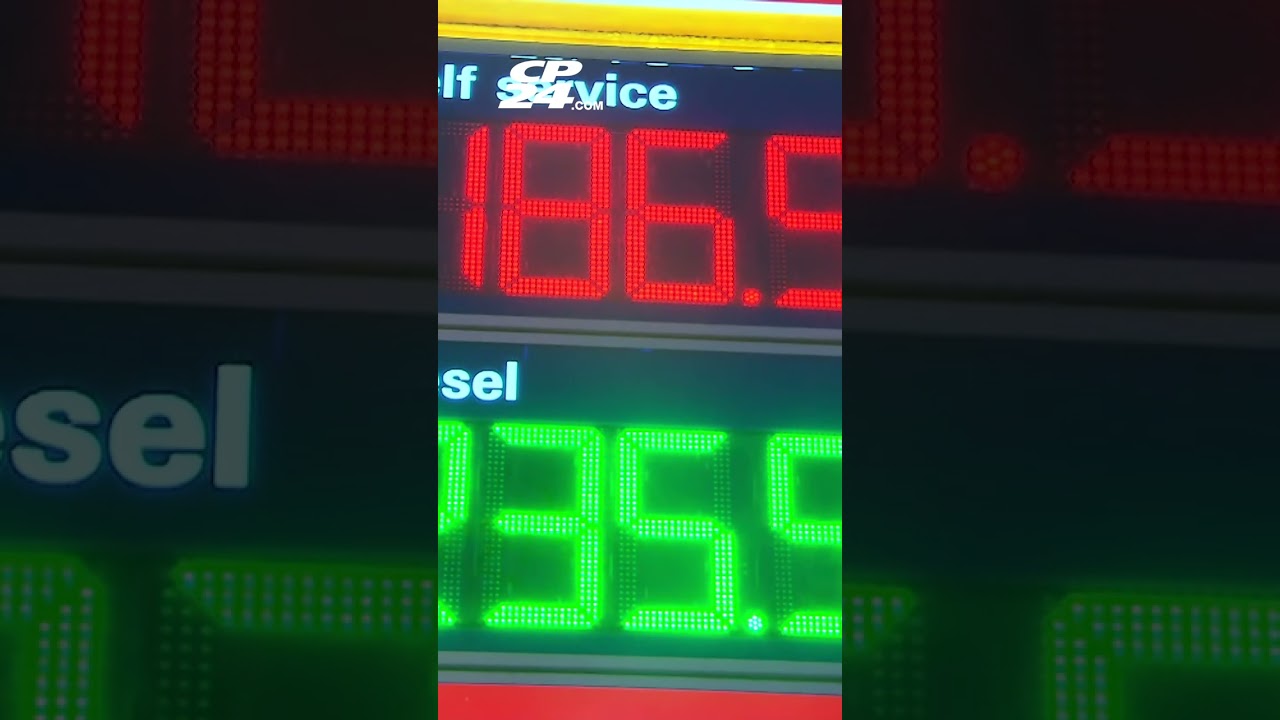
In the ever-fluctuating world of fuel prices, recent developments present a rare opportunity for consumers to save at the pump. Overnight, gas prices experienced a slight decrease, dropping by approximately two cents per liter. This adjustment nudges the average price down to about $1.87 per liter. However, industry experts are predicting an even more significant decline in the coming days.
Dan McTeague, the president of Canadians for Affordable Energy, has been closely monitoring the market trends. His insights indicate that consumers should exercise patience and consider delaying their trips to the gas station for a short period. McTeague anticipates a more substantial drop of approximately 13 cents per liter, which could bring prices down to around $1.73 per liter—a considerable difference that could save motorists a significant amount of money.
The fluctuation in gas prices is influenced by a variety of factors, including crude oil prices, local supply and demand, and seasonal changes. Recently, global oil prices have shown some volatility due to geopolitical tensions and shifting production levels among major oil-producing countries. Such dynamics continue to impact retail prices, which are hugely sensitive to these larger market forces.
For consumers, the prospect of lower gas prices is particularly welcome news, especially in a time when many are juggling various economic pressures. Taking McTeague’s advice into account could translate into tangible savings. For drivers who tank up frequently, even a slight dip can make a marked difference in monthly expenses. Thus, those willing to wait could stand to benefit significantly.
While the immediate scenario is promising, it’s essential for consumers to keep a broader perspective in mind. Gas prices are notoriously unpredictable, often swinging based on sudden shifts in oil supply or excessive demand. A recent increase in travel, driven by the end of lockdowns and an uptick in economic activity, can pressure prices upward at any moment.
Being aware of potential changes is critical for consumers looking to make informed decisions about fueling their vehicles. This involves not only tracking daily fluctuations but also understanding seasonal patterns that can affect gas prices throughout the year. Typically, prices tend to rise during the summer months when vacation travel peaks and fall during the winter, although unexpected events can disrupt this trend.
Furthermore, it’s important to consider regional variations in gas costs. Prices can vary considerably across provinces and territories due to differences in local taxes, transportation costs, and market competition. Consumers may benefit from comparing prices at different stations or leveraging smartphone apps designed to help track fuel costs, ensuring they find the best deal available.
As we approach the upcoming predicted decrease, it’s advisable for drivers to plan their purchases strategically. Filling up the tank after the anticipated drop—not before—can result in lower overall spendings. When balancing a budget, every cent counts, and being aware of market trends can empower consumers to maximize their spending.
In conclusion, while gas prices have seen a slight decrease recently, a more substantial dip is on the horizon, as expected by market analysts. Motorists should take heed of insights from energy experts like Dan McTeague, considering a delay in refueling to capitalize on the anticipated lower prices. The landscape of fuel costs is always evolving, and remaining informed is crucial for making the most economical choices at the pump. As gas prices fluctuate, consumers can take confidence in a proactive approach, ready to adapt to whatever changes lie ahead.